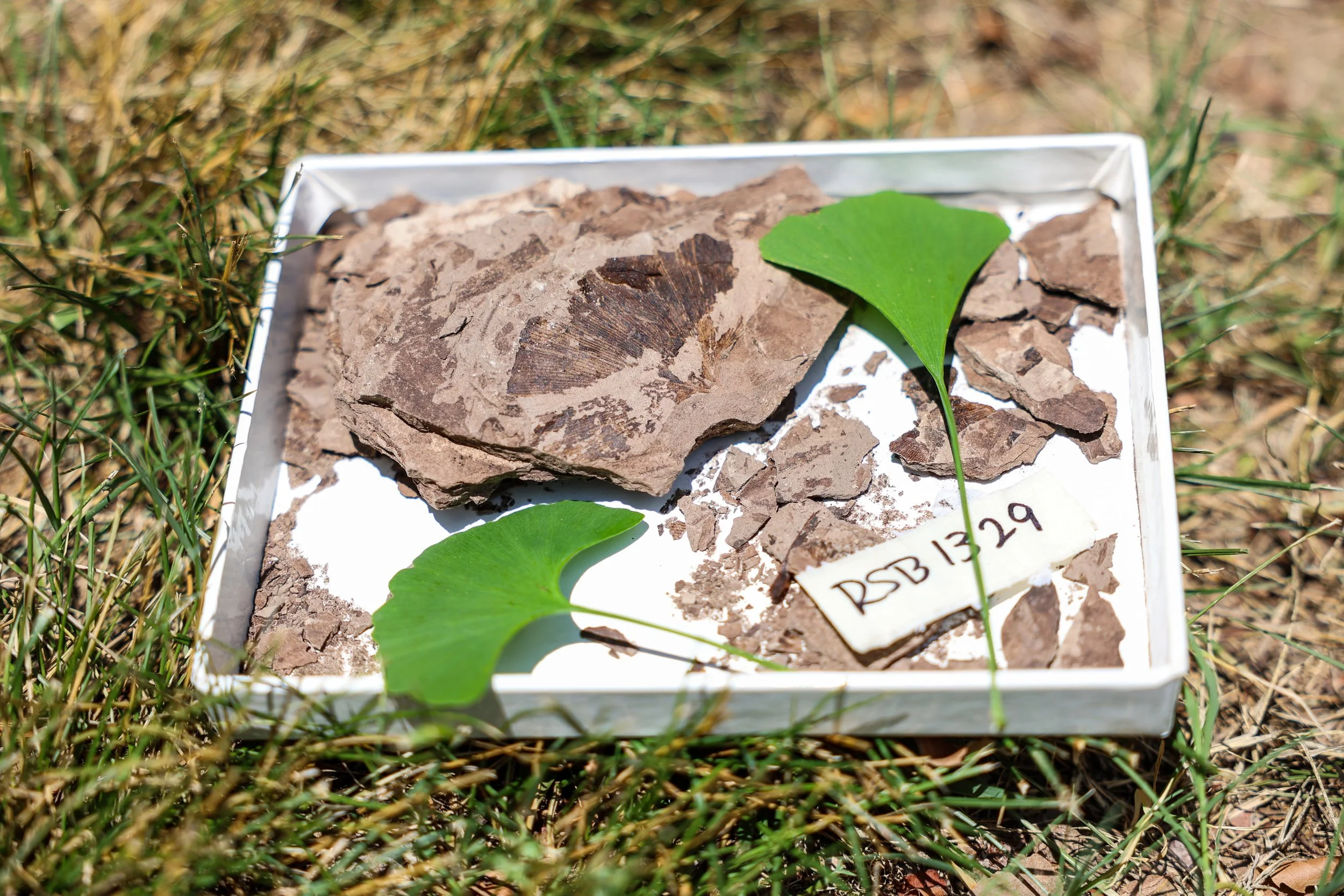
Modern and fossil Ginkgo
Research Summary
The effects of climate change associated with an anthropogenic increase in pCO2 is currently—and will continue to—affect all aspects of Earth’s ecosystems. My research uses the geological record to look at how ecosystems responded to climate change in the past. The Deep-Time Terrestrial Paleoclimate Lab at Washington College focuses on:
reading climate and environmental signals from fossil leaves
developing/refining paleoclimate proxies through field studies and experiments on living plants.
My research embraces interdisciplinary collaborations, undergraduate student research projects, and a combination of laboratory, field, and data analytical approaches. I incorporate a variety of research methods, including geologic field work, microscopy, geochemical analyses, plant physiology, geographic information systems, and R statistical analysis.
Paleo-CO2
Human alteration of land cover and combustion of fossil fuels has elevated atmospheric CO2 levels to over 425 ppm. If very high greenhouse gas emissions continue, CO2 will be between 750 and 1,300 ppm by 2100, levels not seen in almost 35 million years (Ma). Through Earth history both CO2 and temperature have varied, and thus, these variations in the past act as archives of Earth system responses to changes in climate. These paleo-records of CO2 and temperature can therefore help provide context to present day climate change.
While these CO2 records cannot be measured directly, scientist use a variety of ‘proxies’, i.e. biological and geochemical signatures of past atmospheric CO2 that can be obtained from fossils and minerals in terrestrial and marine archives. My lab focuses on proxies that are based on leaves (e.g., stomatal frequency and leaf gas exchange). In most plants, leaves are directly surrounded by the atmosphere and are the prime source of carbon uptake. Therefore, some attributes of leaves are highly sensitive to the amount of CO2 in the atmosphere.
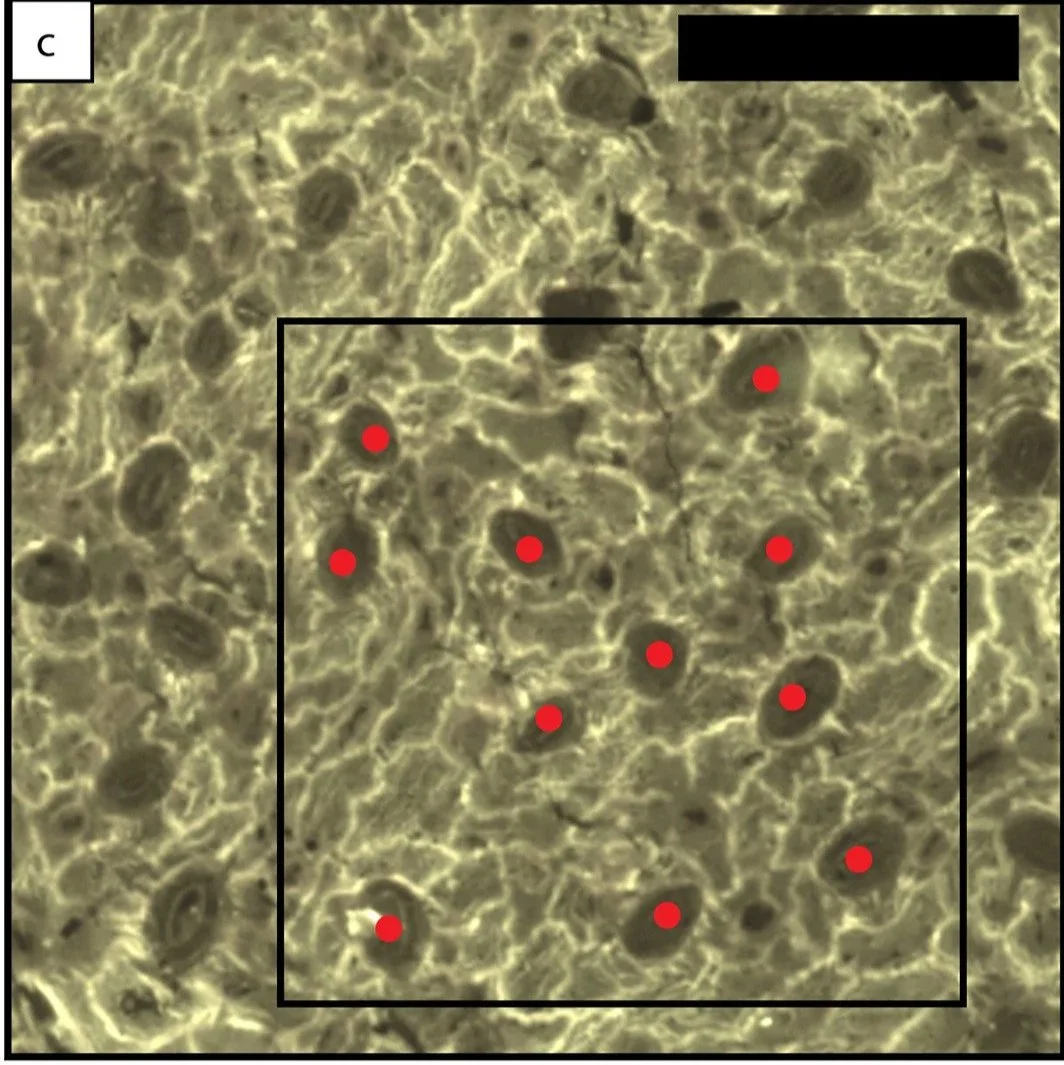
Microscope image of ~65-million-year-old Platanites cuticle with stomata
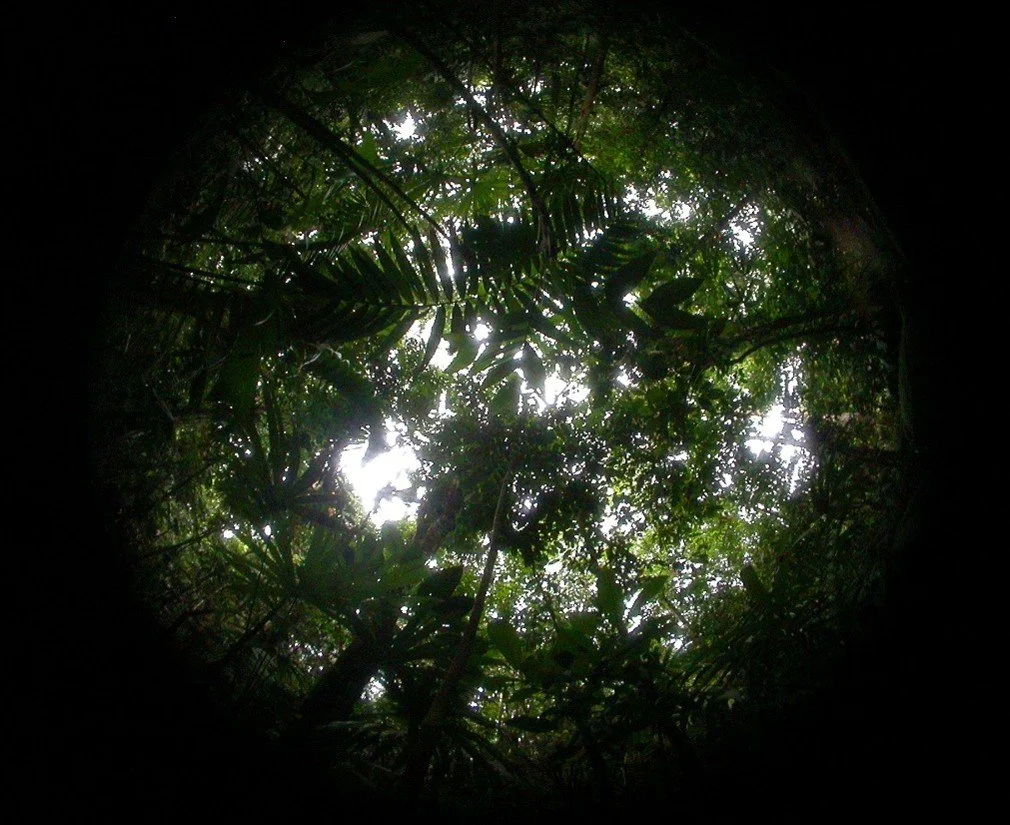
Hemispherical photograph of canopy structure
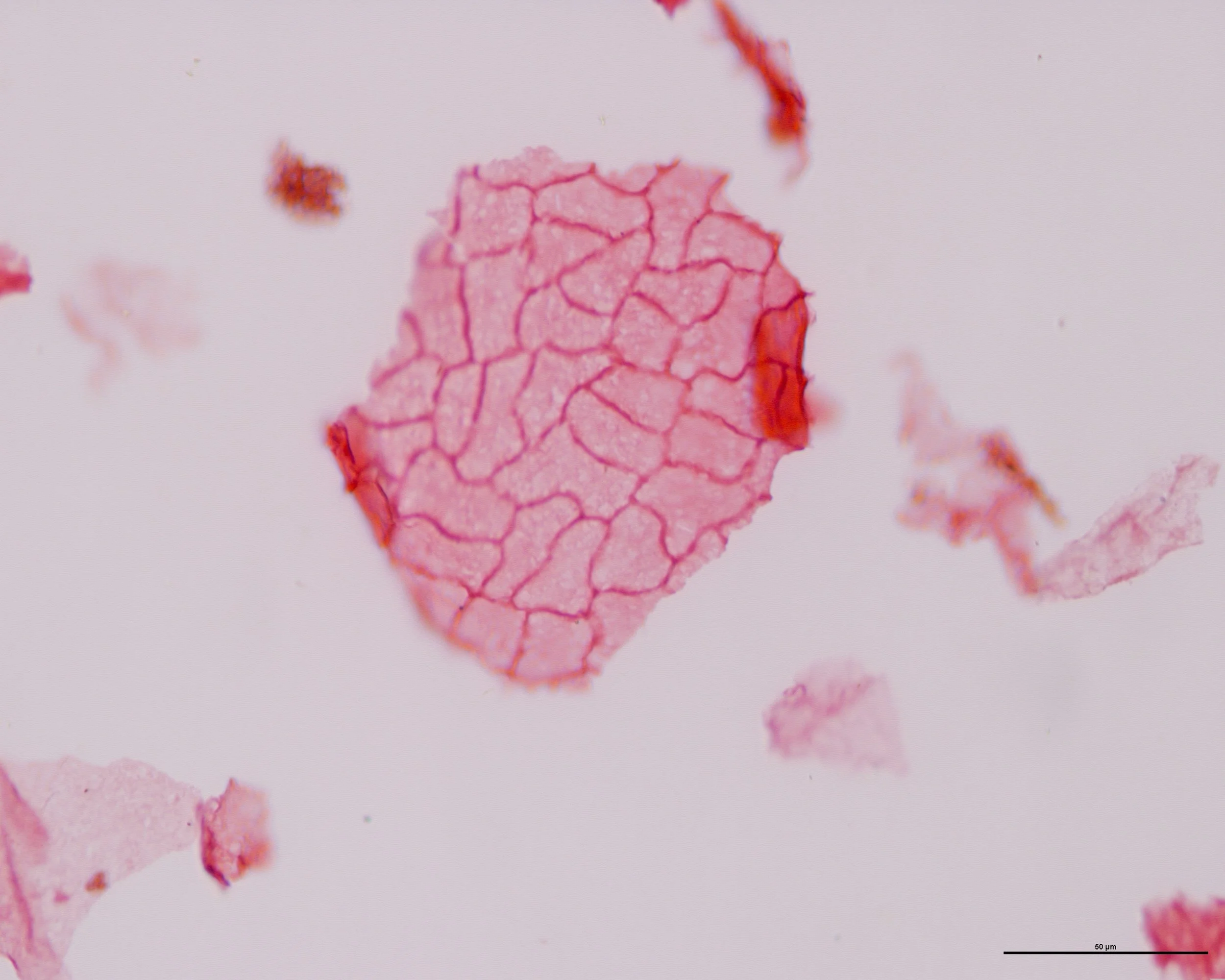
Microscope image of ~52-million-year-old dispersed cuticle used to reconstruct canopy cover
Canopy Reconstruction
Canopy structure—the openness of a canopy—is a critical component of ecosystems. Changes in canopy structure play a role in ecological interactions (e.g., productivity, landscape stability, the composition of faunal communities, and mammal evolution) and can influence the Earth’s climate (e.g., albedo, hydrological and carbon cycling). Despite being a vital component of terrestrial ecosystems, deficiencies in existing proxy methods have necessitated higher-resolution analyses of canopy structure throughout deep time.
Our lab is using a new canopy structure proxy based on leaf epidermal cell morphology to reconstruct leaf area index, a measure of canopy density (LAI; foliage area (m2)/area of ground(m2)). The proxy to reconstruct LAI relies on extensive observations that leaf epidermal cells change size and shape in response to different light environments; as light decreases, cells become larger, their walls become increasingly undulated/wavy, and they increase their aspect ratio.
Proxy Development
Every proxy is only good as its underlying dataset and assumptions. Therefore, in my lab we use a combination of growth chamber, field experiments, and surveys of natural systems, to test the precision and accuracy of proxies on modern plants.
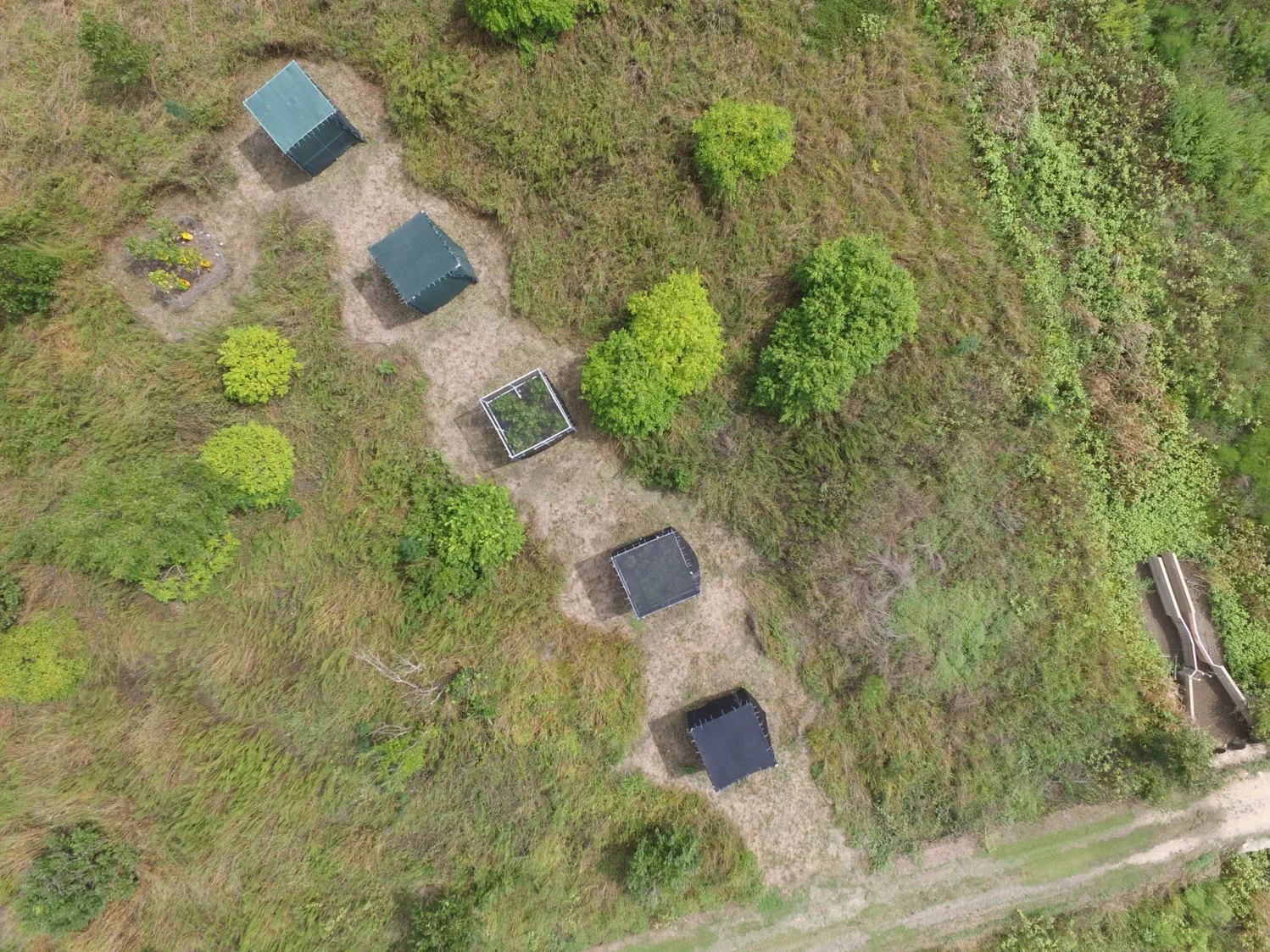
Outdoor growth experiments used to test the impact of light on Sycamore epidermal cells.
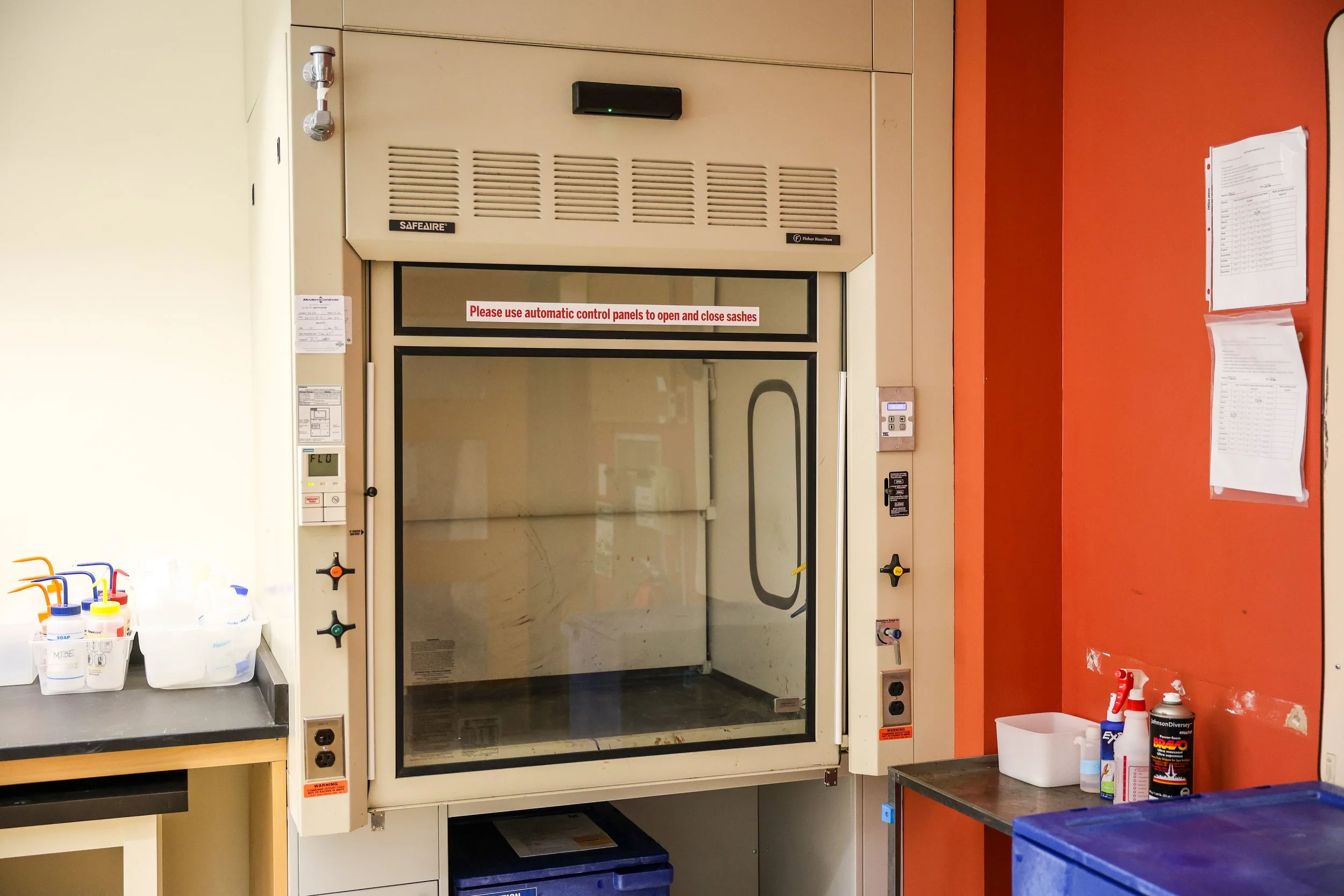
Hooded lab space
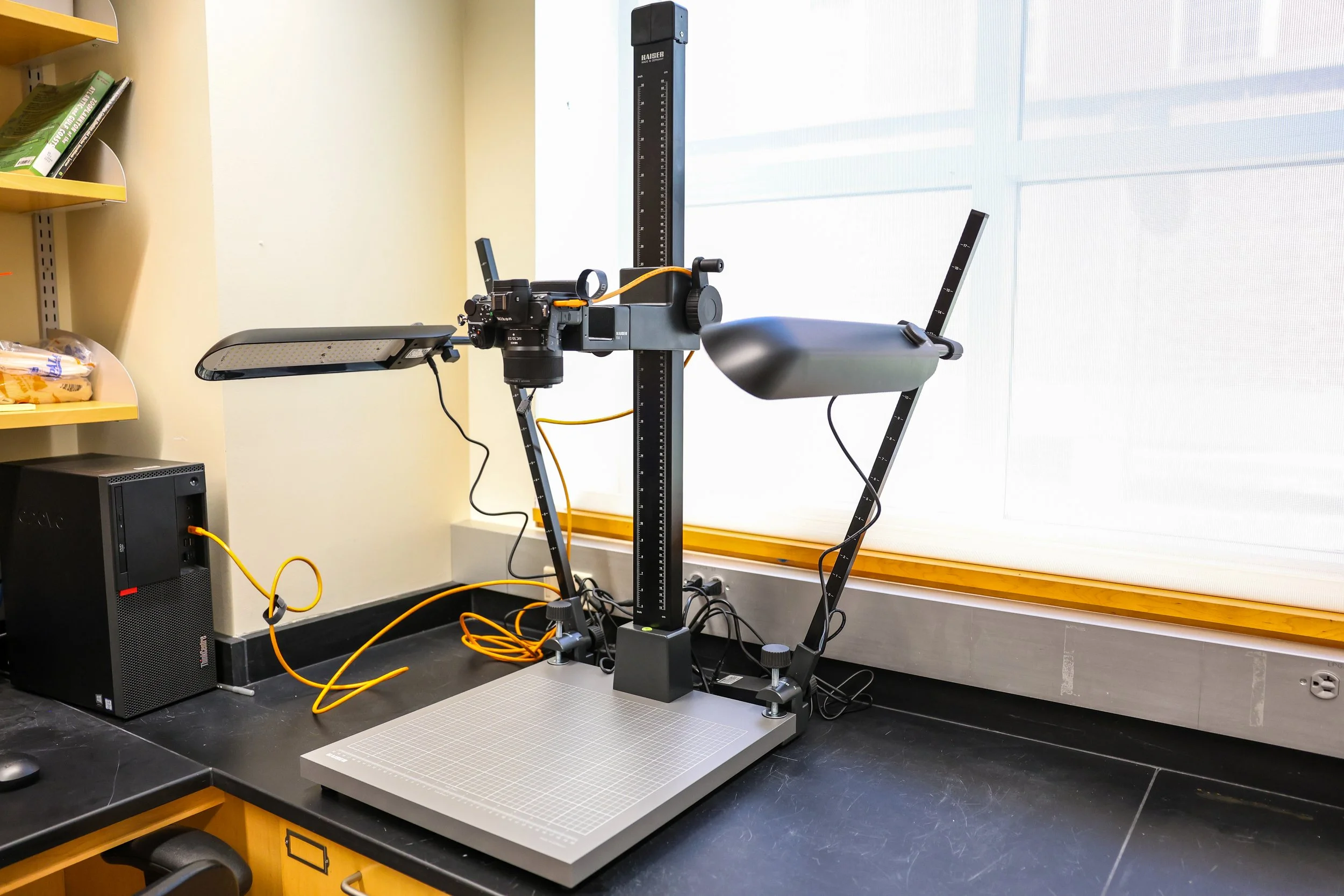
Nikon Z5 Mirrorless Camera with the Nikon NIKKOR Z MC 50mm f/2.8 Macro Lens with Kaiser copy stand and RB 551 AB LED Lighting Unit
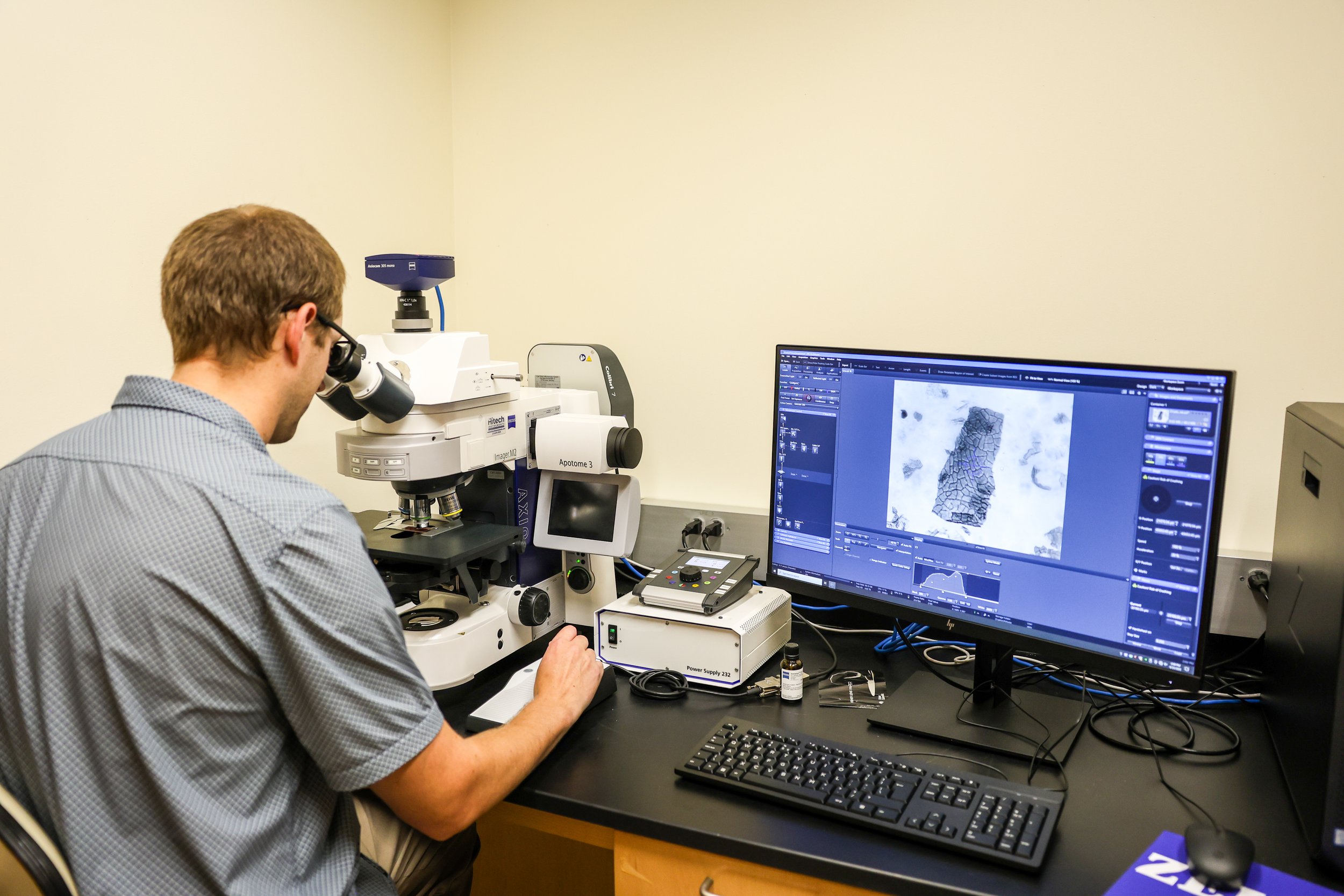
ZEISS Axio Imager.M2 Fluorescence Microscope
The Lab
The Deep-Time Terrestrial Paleoclimate Lab at Washington College is designed to be able to look at modern and fossil leaves. This include leaf macro morphology as well as cuticle characteristics.